
“Virgin” or “Non-Virgin” - Does it make a difference for your coconut oil?
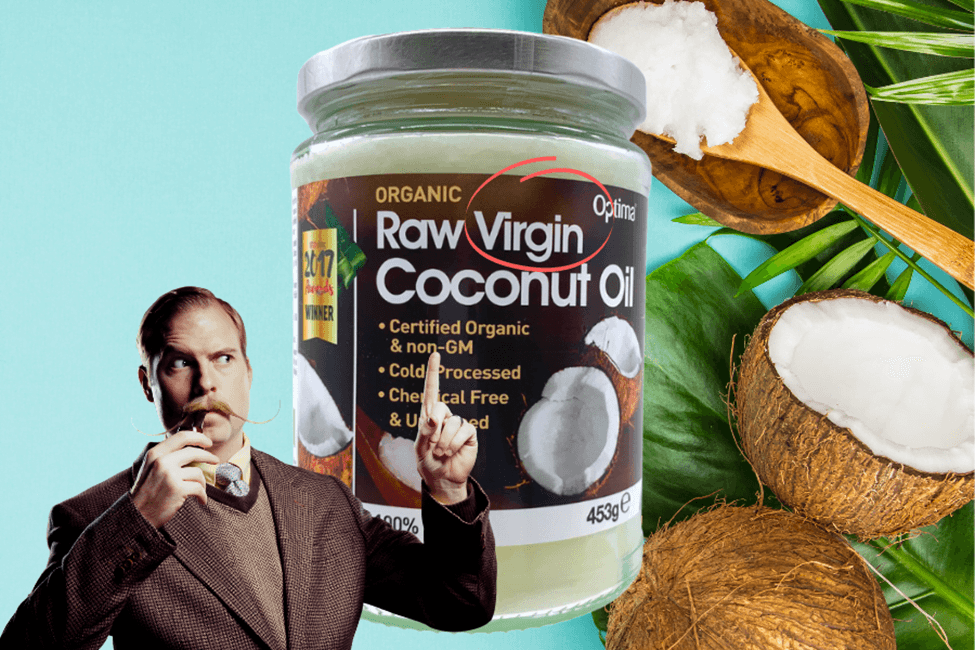


As big fans of coconut oil, we all love how versatile & nourishing it is, not only in cooking but as a wonderful replacement to many beauty & haircare treatments.
But do you know if your coconut oil is virgin or not? And does it make any difference?
The answer is YES, it does. Below we compare Virgin & Non-Virgin Coconut Oil properties:
| Virgin Coconut Oil | Non-Virgin Coconut Oil | |
| Scent & Flavour | Strong Coconut Scent yet subtle flavour | No Scent & neutral flavour |
| Highest Heating Point | 176°C | 205°C |
| What is it made of? | Fresh Coconut flesh | Dried Coconut flesh |
| Food & Safety | Unrefined (to not damage the coconut oil) | Steam refined with no chemicals used |
Given the contrasts listed above, Virgin Coconut Oil is more natural and just as nature intended. With an irresistible aroma and yet a delicate coconut taste, Virgin Coconut Oil is packed full of healthy fatty acids, essential vitamins, and powerful antioxidants. Our Coconut oil is scooped out of the shell by hand with care, which does not involve any exposure to heat, and then cold-pressed to leave the oil with all its natural benefits whilst having a strong and refreshing coconut flavour.
How do I confirm that my Virgin Coconut Oil is of its best quality?
If you are looking to buy the best type of Coconut Oil, there are a few phrases you need to look out for on the packaging:
- ORGANIC - Make sure the coconut oil is certified organic. By being organic it means that it has been farmed using organic methods in a sensitive way to the environment and that no chemicals have been used in the growing and maintaining of the Coconut trees, which makes it healthier to you.
- NON-GMO - Make sure its non-GMO. The last thing you want is for a natural product to be artificially genetically modified, when nature is at its best when its left alone!
- COLD PRESSED – Make sure your coconut oil is cold-pressed so it retains its purity and tastes significantly richer & better in flavour than heated varieties, plus heated varieties can damage the nature of the coconut oil.
- RAW – wherever possible, buy Raw Coconut Oil. The term Raw means it hasn’t been over-heated in the processing of a natural product, which means it retains more of its natural goodness. By over-heating Coconut Oil, you damage the nutrients & properties of the oil.
So, just remember these 4 indicators to make sure you’re buying the best coconut oil for your needs.
Also in Natural Health World Articles


D-Mannose FAQ
-
D-mannose is commonly discussed in relation to urinary health, particularly by people who experience recurring urinary discomfort or infections.
It is typically used as a supplement that may support urinary tract health, not as a treatment for an active infection.
-
D-mannose is thought to interact with certain types of bacteria, including Escherichia coli, which are commonly associated with urinary tract infections.
It may help reduce the ability of these bacteria to attach to the lining of the urinary tract, allowing them to be flushed out through normal urination.
This is a proposed mechanism and does not apply to all types of urinary issues.
-
Some people choose to take D-mannose daily, particularly when managing ongoing or recurring urinary issues.
However, there is no single standard approach, and usage can vary depending on the product and individual circumstances.
If you are considering regular use, it’s a good idea to speak to a healthcare professional to ensure it is appropriate for you.
-
D-mannose is generally considered well tolerated for most people when taken as directed. Some individuals may experience mild digestive discomfort, particularly at higher intakes.
If you are pregnant, recovering from surgery, managing a health condition, or taking medication, it’s best to speak to your GP or healthcare professional before use.
-
No — D-mannose is not a replacement for antibiotics or medical treatment.
If you have symptoms of a urinary tract infection, it’s important to speak to a GP, as antibiotics may be required.
D-mannose is typically discussed as a self-care option, not a treatment.
-
The NHS includes D-mannose as one of several options that people may consider if they experience recurrent urinary tract infections.
It is generally described as a self-care approach rather than a medical treatment, and evidence is still considered limited.
-
D-mannose is commonly available in both tablet and powder form.
- Powder can allow more flexible dosing but usually needs mixing
- Tablets are more convenient and easier to take on the go
The best option often depends on personal preference and what fits most easily into your routine.
- Powder can allow more flexible dosing but usually needs mixing
-
There is no single agreed dose for D-mannose.
Different products provide different guidance, and some are designed to be taken in smaller amounts throughout the day rather than all at once.
It’s best to follow the instructions on the product you are using and speak to a healthcare professional if you are unsure.
-
Recurring urinary tract infections can happen for a variety of reasons, including anatomy, hormonal changes, life stage, sexual activity, and individual susceptibility.
In many cases, there isn’t a single clear cause.
If you experience frequent UTIs, speaking to your GP can help identify any patterns, possible triggers, and appropriate ways to manage them.
-
If you are experiencing symptoms such as:
- Burning or pain when urinating
- Frequent or urgent need to urinate
- Lower abdominal discomfort
- Cloudy or strong-smelling urine
It’s important to seek advice from a healthcare professional.
In many cases, you do not always need to wait for a GP appointment. According to NHS guidance:
- A pharmacist can often provide advice and, in some cases, treatment for uncomplicated UTIs
- If you cannot access your GP, you can also use NHS 111 for urgent advice, either online or by phone
You should seek more urgent advice if:
- Symptoms are new, severe, or getting worse
- You have a high or very low temperature, or feel shivery
- You have pain in your lower back or sides
- You notice blood in your urine
- Symptoms are not improving within a couple of days
If you experience recurrent urinary issues, it can also be helpful to speak to your GP about patterns, possible triggers, and whether there are any preventative or supportive approaches that may be appropriate for you. You may also wish to ask whether options like D-mannose are suitable within your overall care.
While most urinary tract infections are straightforward to treat, they can occasionally lead to more serious complications if left unmanaged. In some cases, UTIs can develop into more serious infections, including sepsis, particularly if the infection spreads to the kidneys or bloodstream
This is one of the reasons why it’s important not to ignore ongoing or recurring symptoms, and to seek medical advice where needed.
For more information, you can also visit the NHS guidance here: https://www.nhs.uk/conditions/urinary-tract-infections-utis/
D-mannose is not a substitute for medical care or prescribed treatment.
- Burning or pain when urinating
