
Discover the Benefits of Daily Manuka Honey for Health
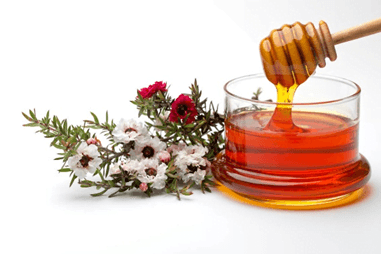


Manuka Honey is one of nature’s most powerful honey and is well known for its many natural benefits. It comes from the Manuka Bush, also known as Leptospermum scoparium, which is native to New Zealand. Manuka Honey has antibacterial, antiviral, anti-inflammatory and antioxidant properties. It’s antibacterial properties come from active enzymes the bees make from the manuka pollen. These properties are transferred to the Manuka Honey when bees collect the nectar and make the honey and they cannot be added after the honey is made. To get the maximum amounts of active enzymes, Manuka Honey should be raw, which means it is not heated over the working temperature of beehive otherwise it kills off the beneficial nutrients and antioxidants. Most high grade MGO Manuka Honey is not raw because it’s heated to achieve the activity level. High levels of MGO is not present in honey straight from the Manuka bush.
Health Benefits of Manuka Honey

- Helps wounds heal faster
- Boosts the immune system
- Soothes sore throats and irritation
- Improves overall digestion
- Helps to prevent ulcers in the stomach
- Supports gut health
- Treats and soothes acne outbreaks
- Helps oral health by protecting against dental plaque buildup
A daily spoonful of Manuka Honey
Eating manuka honey in regular small amounts is recommended. The best way to consume manuka honey is straight from the jar to ensure it maintains all its beneficial enzymes. So a daily spoonful is perfect!
Multifloral Manuka Honey is recommended for daily use, such as a daily spoonful, as it is less expensive. It is not as strong as monofloral honey, but it is still a great entry-level honey. It is stronger than regular honeys that you will find in the supermarket and contains the beneficial antibacterial properties of Manuka honey, just in smaller amounts. However, if you have underlying health conditions you may choose to have a daily spoonful of monofloral manuka honey instead, to keep you in tip top shape!

Boosts the Immune System
It is a great way to boost your immune system daily, especially during the colder months! Manuka honey is also the best alternative to sugar and sweeteners. It contains natural sugars that occur in food and fruit. So, unlike processed sugar, your body knows how to process and use it effectively, so you shouldn’t put on any weight either.
Provides a Natural Energy Boost
Manuka honey also provides a great natural energy boost, so why not have a spoonful daily?! The unrefined, raw sugars in manuka honey are mostly glucose and fructose. Glucose is absorbed quickly, providing an energy boost. Fructose has a slower, more sustained effect on blood sugar levels, which supports energy needs over a longer period of time. You get a more prolonged energy boost. Some people even use manuka honey before workouts for boosted energy. It is a great 100% natural energy shot, just as nature intended.
Also in Natural Health World Articles


D-Mannose FAQ
-
D-mannose is commonly discussed in relation to urinary health, particularly by people who experience recurring urinary discomfort or infections.
It is typically used as a supplement that may support urinary tract health, not as a treatment for an active infection.
-
D-mannose is thought to interact with certain types of bacteria, including Escherichia coli, which are commonly associated with urinary tract infections.
It may help reduce the ability of these bacteria to attach to the lining of the urinary tract, allowing them to be flushed out through normal urination.
This is a proposed mechanism and does not apply to all types of urinary issues.
-
Some people choose to take D-mannose daily, particularly when managing ongoing or recurring urinary issues.
However, there is no single standard approach, and usage can vary depending on the product and individual circumstances.
If you are considering regular use, it’s a good idea to speak to a healthcare professional to ensure it is appropriate for you.
-
D-mannose is generally considered well tolerated for most people when taken as directed. Some individuals may experience mild digestive discomfort, particularly at higher intakes.
If you are pregnant, recovering from surgery, managing a health condition, or taking medication, it’s best to speak to your GP or healthcare professional before use.
-
No — D-mannose is not a replacement for antibiotics or medical treatment.
If you have symptoms of a urinary tract infection, it’s important to speak to a GP, as antibiotics may be required.
D-mannose is typically discussed as a self-care option, not a treatment.
-
The NHS includes D-mannose as one of several options that people may consider if they experience recurrent urinary tract infections.
It is generally described as a self-care approach rather than a medical treatment, and evidence is still considered limited.
-
D-mannose is commonly available in both tablet and powder form.
- Powder can allow more flexible dosing but usually needs mixing
- Tablets are more convenient and easier to take on the go
The best option often depends on personal preference and what fits most easily into your routine.
- Powder can allow more flexible dosing but usually needs mixing
-
There is no single agreed dose for D-mannose.
Different products provide different guidance, and some are designed to be taken in smaller amounts throughout the day rather than all at once.
It’s best to follow the instructions on the product you are using and speak to a healthcare professional if you are unsure.
-
Recurring urinary tract infections can happen for a variety of reasons, including anatomy, hormonal changes, life stage, sexual activity, and individual susceptibility.
In many cases, there isn’t a single clear cause.
If you experience frequent UTIs, speaking to your GP can help identify any patterns, possible triggers, and appropriate ways to manage them.
-
If you are experiencing symptoms such as:
- Burning or pain when urinating
- Frequent or urgent need to urinate
- Lower abdominal discomfort
- Cloudy or strong-smelling urine
It’s important to seek advice from a healthcare professional.
In many cases, you do not always need to wait for a GP appointment. According to NHS guidance:
- A pharmacist can often provide advice and, in some cases, treatment for uncomplicated UTIs
- If you cannot access your GP, you can also use NHS 111 for urgent advice, either online or by phone
You should seek more urgent advice if:
- Symptoms are new, severe, or getting worse
- You have a high or very low temperature, or feel shivery
- You have pain in your lower back or sides
- You notice blood in your urine
- Symptoms are not improving within a couple of days
If you experience recurrent urinary issues, it can also be helpful to speak to your GP about patterns, possible triggers, and whether there are any preventative or supportive approaches that may be appropriate for you. You may also wish to ask whether options like D-mannose are suitable within your overall care.
While most urinary tract infections are straightforward to treat, they can occasionally lead to more serious complications if left unmanaged. In some cases, UTIs can develop into more serious infections, including sepsis, particularly if the infection spreads to the kidneys or bloodstream
This is one of the reasons why it’s important not to ignore ongoing or recurring symptoms, and to seek medical advice where needed.
For more information, you can also visit the NHS guidance here: https://www.nhs.uk/conditions/urinary-tract-infections-utis/
D-mannose is not a substitute for medical care or prescribed treatment.
- Burning or pain when urinating
